
Why Trust This Article?
- • Author: Hesham Al-Daaja (based in China since 2019)
- • Last updated: Jan 26, 2026
- • Based on direct field experience with Arab travelers and buyers
Welcome to Wuhan: The Heart of China's River Culture
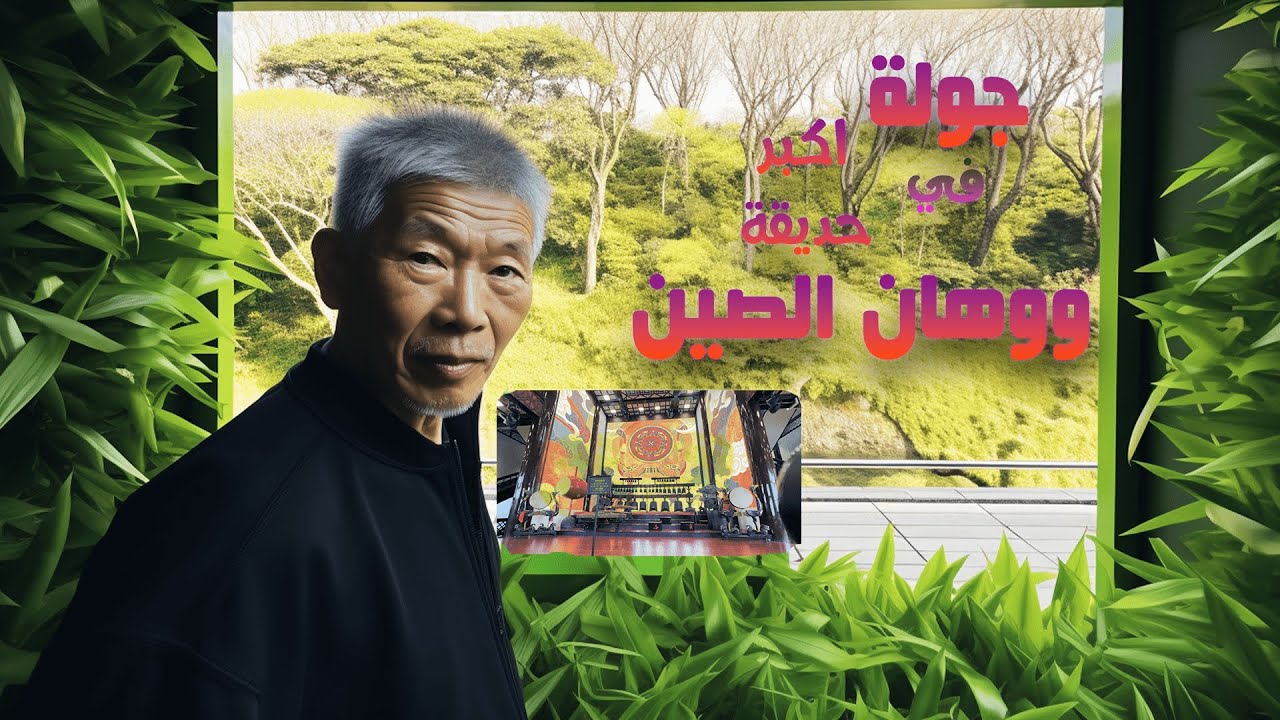
Welcome, fellow travelers! I'm Hesham, and after years of exploring China, Wuhan remains one of my favorite cities to recommend. Often called "China's Chicago" for its strategic position where the Yangtze and Han rivers meet, Wuhan is a vibrant metropolis that perfectly blends ancient history with modern dynamism. As the capital of Hubei province, it's a transportation hub that many travelers pass through, but those who stay discover a city rich with cultural landmarks, incredible food, and genuine hospitality. In this comprehensive 2026 guide, I'll share everything you need to plan an unforgettable visit to Wuhan, from must-see attractions to hidden local gems, all based on my personal experiences navigating this fascinating city.
Quick Answer
Wuhan, the "city of rivers and bridges," is split into three districts — Wuchang, Hankou, and Hanyang — at the confluence of the Yangtze and Han rivers. It's a major transport hub in central China.
Top Wuhan Attractions You Can't Miss
Wuhan's attractions showcase its unique position as both a historical crossroads and modern innovation center. Start your exploration with these essential sites:
- Yellow Crane Tower (黄鹤楼): This iconic five-story tower is Wuhan's most famous landmark. Rebuilt numerous times throughout history (most recently in 1985), it offers panoramic views of the Yangtze River and Wuhan cityscape. Practical tip: Visit early morning to avoid crowds. Cost: ¥70 per person. Hours: 8:00 AM - 6:00 PM. Located at Snake Hill (Sheshan) in Wuchang district.
- East Lake (东湖): At 88 square kilometers, this is China's largest urban lake. Rent a bicycle (¥20/hour) to explore the scenic paths, or take a boat ride (¥50-80) to appreciate its scale. The Cherry Blossom Garden is spectacular in spring (late March-early April).
- Hubei Provincial Museum (湖北省博物馆): Home to the remarkable artifacts from the Tomb of Marquis Yi of Zeng, including the famous bronze bells. Free admission with ID/passport, but book online in advance. Closed Mondays.
- Wuhan Yangtze River Bridge (武汉长江大桥): Walk across this historic 1957 bridge for incredible river views and photo opportunities. Best visited at sunset. Free access.
- Guiyuan Temple (归元寺): A beautiful Buddhist temple complex known for its 500 arhat statues. A peaceful escape from the city bustle. Cost: ¥10. Hours: 8:00 AM - 5:00 PM.
For more urban exploration ideas, check out my guide on navigating major Chinese cities.
Wuhan's Food Scene: From Breakfast to Late Night
Wuhan is a food lover's paradise, famous for its breakfast culture and hearty street food. As someone who appreciates good halal and vegetarian options, I've found Wuhan to be surprisingly accommodating. Here's what to try:
- Hot Dry Noodles (热干面): Wuhan's signature breakfast dish. Sesame paste-coated noodles with pickled vegetables. Try at Cai Lin Ji chain shops (¥8-12).
- Doupi (豆皮): A savory rice cake with egg wrapper, filled with mushrooms, bamboo shoots, and pork or beef. Halal versions available in Muslim quarter. ¥10-15 per portion.
- Soup Dumplings (汤包): Not to be confused with Shanghai's xiaolongbao, Wuhan's version is larger with a richer broth. Shi Ji He Tang Bao is legendary. ¥15-25 for 6 pieces.
- Duck Neck (鸭脖子): Spicy, addictive street food snack. Zhou Hei Ya is the most famous chain. ¥20-30 per bag.
- Muslim Quarter Food: Around the Great Mosque (起义街), you'll find excellent halal restaurants serving lamb skewers (¥5 each), beef noodles (¥15-20), and freshly baked naan bread.
Best Food Streets: Hubu Alley (户部巷) for tourist-friendly variety, Jianghan Road Pedestrian Street for modern options, and Snowflake Lane (雪松路) for local favorites. Most small restaurants accept mobile payments (WeChat Pay/Alipay), but carry some cash for street vendors.
Practical Wuhan Travel Tips for 2026
Based on my recent visits and what I expect for 2026, here are essential tips for smooth Wuhan travel:
- Getting Around: Wuhan's metro system is extensive and efficient (¥2-7 per ride). Download the MetroMan app for English maps. Taxis start at ¥10, but DiDi (China's Uber) is more reliable for foreigners. For hassle-free exploration, consider hiring a private driver in China — especially useful for visiting East Lake's scattered attractions.
- Best Time to Visit: Spring (April-May) and autumn (September-November) offer pleasant weather. Summers are hot and humid (often 35°C+), while winters are chilly with occasional snow.
- Language: Basic Mandarin phrases help immensely. Fewer English speakers than Beijing/Shanghai. Have your hotel write destinations in Chinese characters for taxi drivers.
- Connectivity: Purchase a local SIM card at the airport (¥100-150 for 30 days with data). Most hotels and cafes have WiFi, but a VPN is essential for accessing Google, WhatsApp, and other international services.
- Money: Credit cards accepted at hotels and larger restaurants, but mobile payments dominate. Carry some cash (¥500-1000) for smaller establishments and markets.
- Cultural Etiquette: Wuhan locals are generally friendly and curious about foreign visitors. A smile goes a long way. When visiting temples, dress modestly and avoid loud conversations.
Wuhan Itinerary Suggestions
Depending on your available time, here are my recommended itineraries:
2-Day Weekend Trip:
Day 1: Morning at Yellow Crane Tower → Lunch at Hubu Alley → Afternoon at Hubei Provincial Museum → Evening walk across Yangtze River Bridge.
Day 2: Morning at Guiyuan Temple → Lunch in Muslim Quarter → Afternoon at East Lake (bike rental) → Dinner at Jianghan Road.
4-Day In-Depth Exploration:
Add: Day trip to nearby Yellow Crane Tower's ancient poetry forest, Wuhan University campus (especially during cherry blossom season), Hankou's historical concession buildings, and an evening Yangtze River cruise (¥120-180).
Budget Planning: Comfortable mid-range travel costs approximately ¥400-600 per day (accommodation: ¥200-300, food: ¥100-150, attractions/transport: ¥100-150). Luxury options available but not necessary to enjoy Wuhan fully.
Beyond the Tourist Trail: Local Experiences
To truly experience Wuhan like a local, venture beyond the main attractions:
- Morning Exercises at East Lake: Join locals for tai chi, dancing, or calligraphy practice with water brushes along the lake shore (6:00-8:00 AM).
- Wuhan's Night Markets: Baofeng Night Market offers everything from street food to clothing at bargain prices. Perfect for evening people-watching.
- Riverfront Evening Light Show: The Yangtze River shoreline buildings feature spectacular light displays after dark. Best viewed from the riverbank parks.
- Traditional Tea Houses: Experience Wuhan's tea culture at Lao She Teahouse, where you can enjoy performances alongside your tea (¥50-100 per person).
- Local Transportation Experience: Take the Yangtze River ferry (¥1.5) between Wuchang and Hankou for authentic daily commute views.
For Muslim travelers, I've compiled specific advice in my guide to halal travel in China.
Making the Most of Your Wuhan Visit
Wuhan continues to evolve, with new developments like the Optics Valley area showcasing China's tech innovation. Yet it retains its historical charm and distinctive local culture. The key to enjoying Wuhan is embracing its contrasts — ancient towers beside modern skyscrapers, bustling markets next to tranquil lakes, fiery street food alongside delicate teas.
As you plan your 2026 Wuhan travel, remember that flexibility enhances the experience. Some of my best Wuhan memories come from unplanned discoveries — a hidden temple courtyard, a conversation with a noodle shop owner, or a stunning river view from an unexpected vantage point.
Whether you're visiting Wuhan for business, as part of a larger China travel itinerary, or as a dedicated destination, this city offers authentic experiences that will enrich your understanding of central China's culture and people.
Need personalized assistance with your Wuhan trip? As someone who has navigated China for years, I offer travel consulting services to help you plan the perfect itinerary. For business travelers, I also provide business sourcing support across China. If you'd like a comfortable, stress-free experience, I can arrange a private driver who knows Wuhan intimately and speaks English or Arabic. Message me on WhatsApp to discuss how I can help make your Wuhan visit exceptional!


